

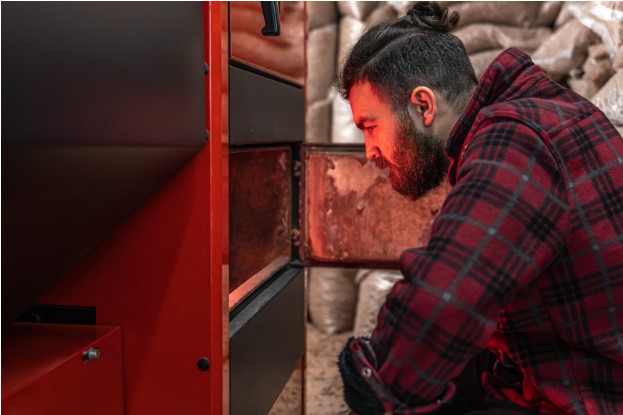
As the winter chill sets in, many homeowners find themselves in need of a new furnace. Whether your old unit has reached the end of its lifespan or you’re looking to upgrade to a more energy-efficient model, installing a new furnace is a significant home improvement project. To ensure a smooth transition and minimize disruption, it’s essential to understand what to expect during the installation process.
Furnace Maintenance and Ongoing Care
Once the new furnace is installed, it’s essential to maintain it properly to ensure its longevity and efficient operation. This includes regular tune-ups, filter changes, and monitoring the unit for any signs of wear or malfunction. By staying on top of furnace maintenance, you can extend the life of your new heating system and avoid costly repairs down the line.
Before scheduling a new furnace installation, it’s crucial to evaluate your heating requirements. Consider the size of your home, the number of rooms, and the insulation levels to determine the appropriate furnace size and capacity. Consulting with a professional HVAC contractor can help you make an informed decision and ensure that your new furnace is properly sized for your home.
Preparing the Installation Site
Once you’ve selected the right furnace, it’s time to prepare the installation site. This may involve clearing the area around the existing furnace, ensuring adequate clearance for the new unit, and addressing any potential electrical or ductwork issues. Your HVAC contractor will provide guidance on the necessary preparations, so be sure to follow their instructions closely.
The first step in the installation process is to disconnect and remove the old furnace. This can be a complex task, as it often involves shutting off the gas or electricity supply, disconnecting the ductwork, and safely disposing of the old unit. Your HVAC contractor will handle this process with care, ensuring that all safety protocols are followed.
Preparing for a New Furnace Installation
Preparing your home for a new furnace installation can help minimize disruption and ensure a seamless transition. Here are some tips to consider:
- Clear the Area: Ensure the area around the existing furnace is clear of any obstructions, allowing easy access for the HVAC technicians.
- Protect Flooring and Furniture: Cover the floor and nearby furniture with protective sheeting to prevent any dust or debris from settling on your home’s surfaces.
- Communicate with Your HVAC Contractor: Discuss any concerns or special considerations with your HVAC contractor, such as accessibility issues or specific needs for your home.
- Prepare for Temporary Heating Disruption: Be prepared for a temporary loss of heating during the installation process, and plan accordingly to keep your family comfortable.
- Schedule the Installation at a Convenient Time: Try to schedule the installation when your family is available to oversee the process and provide access to the HVAC technicians.
By following these tips and working closely with your HVAC contractor, you can help ensure a successful and stress-free new furnace installation.
Conclusion
In conclusion, preparing your home for a new furnace installation is a crucial step in ensuring a smooth and efficient process. From assessing your heating needs to maintaining your new furnace, understanding what to expect can help you make informed decisions and keep your home comfortable all winter long.
