

Introduction
A modern digital ecosystem relies on stable connections, steady data flow, and infrastructure that can change as needed. As more and more people utilize digital services in their homes, businesses, and public functions, speed is no longer the only thing that matters for connectivity providers. More and more, they are judged on how stable they are, how clear their services are, how well they plan their infrastructure, and how well they can grow over time. In this setting, altafiber has become a well-known example of how a regional network provider can change its way of doing business to meet the needs of digital customers who are becoming more demanding.
This article offers a more in-depth and critical look at connection stories than others, which mainly focus on price or speed tiers. It looks at how altafiber sets up its network, how it designs its service logic, how consumers use the system over time, and how its strategic direction shows changes in digital behavior as a whole. This talk doesn’t make shallow comparisons; instead, it focuses on architectural thought, usage patterns, and continuity of experience.
Understanding the Basic Ideas Behind Altafiber

The main idea behind altafiber is that users shouldn’t be able to see how connected they are. This means that the client experience is purposefully kept simple by hiding the complicated parts of network routing, capacity management, and traffic prioritization. The system is made to keep performance consistent on its own, so users don’t have to worry about changing technical settings.
This way of thinking comes from the fact that people utilize digital services all day, every day. Streaming services, remote work systems, cloud storage, smart gadgets, and online communication tools all need data to flow smoothly all the time. Altafiber solves this problem by focusing on the strength of the infrastructure instead of just the peak speed.
Another important part of altafiber’s basis is its focus on localized network intelligence. The network architecture includes regional optimization points instead of just relying on faraway routing hubs. This lowers the amount of time it takes for information to travel and helps keep performance steady even when there is a lot of demand.
Designing the Structure and the Network
The technical architecture of altafiber is founded on fiber-based connectivity, but what makes it unique is how that fiber is used, not just that it is there. If one part of the network gets too busy or goes down, the network is set up with redundancy layers that automatically reroute traffic.
This tiered strategy makes sure that periodic maintenance, changes in the environment, or sudden spikes in load don’t cause visible service problems. The architecture puts symmetrical data handling first since it knows that modern use involves as much uploading as downloading. This balanced design is good for cloud backups, video calls, and making content.
Altafiber’s planning for infrastructure also takes into account future growth. The system is created with scalability margins, so it doesn’t have to reactively build capacity. This lets the network handle new technologies without needing to be completely rebuilt or upgraded all the time.
Table 1: Altafiber’s Conceptual Network Characteristics
| Network Aspect | Design Focus | Long-Term Impact |
|---|---|---|
| Core Routing | Regional optimization | Reduced latency variation |
| Bandwidth Allocation | Symmetrical handling | Better support for cloud usage |
| Infrastructure Redundancy | Multi-path routing | Higher service reliability |
| Scalability Planning | Pre-allocated capacity | Future technology readiness |
User Interaction and Service Experience

The altafiber experience is meant to feel stable to the user, not dynamic. This steadiness is by design. Instead of performance that changes a lot, consumers get a steady connection that silently adapts to their demands.
The onboarding process focuses on making things easy so that new users may easily add connectivity to their daily lives without any technological problems. There are very few configuration requirements, and the system automatically makes changes based on how it is used.
This builds trust between the user and the service over time. Users may focus on what they’re doing instead of continually checking speeds or fixing problems. This way of thinking shows that people now see connectedness as a basic need instead of a luxury.
The way customer interaction channels are set up makes clarity the most important thing. Instead of using a lot of technical language, communication focuses on what people can do with the information. This helps close the gap between how complicated network operations are and what people anticipate from them in everyday life.
Managing the Flow of Data and Keeping Performance Consistent
One of the most important but least spoken about things about altafiber is how it handles data flow across its network. The technology uses smart traffic balancing instead of letting high-demand activities take up all the bandwidth. This makes sure that important apps keep working well even when a lot of people are using them at the same time.
This method doesn’t use manual throttling in the usual way. It instead uses predictive analysis of how people use it. The network can plan for demand spikes and assign resources accordingly by spotting trends that happen again and over again.
Continuous monitoring also helps to make performance more consistent. The technology checks the health of the network in real time, finding small problems before they become big ones. This proactive maintenance methodology makes service outages less common and helps the system stay reliable over time.
Working with Modern Digital Lifestyles

Today’s digital lifestyles are varied and complex. A single home may accommodate remote work, online learning, streaming entertainment, smart home automation, and cloud-based applications all at the same time. Altafiber is made to handle this level of complexity without users having to manually separate or prioritize tasks.
Because the network can adapt, it can handle multiple requests at once and use resources effectively. This makes sure that no one behavior has a big impact on others. This makes the digital world more peaceful, where many people and devices may live together without any problems.
This adaptability becomes more and more necessary as digital consumption grows into new areas like immersive media and real-time cooperation. Altafiber’s infrastructure is ready to handle these changes without needing to be completely redesigned.
Sustainability and Operational Philosophy
Altafiber cares about more than just technical performance; it also cares about operational sustainability. This involves both the environment and the long-term cost-effectiveness of the economy. Infrastructure deployment solutions aim to reduce waste and extend the life of deployed parts.
Optimized routing and less reliance on redundant processing help with energy efficiency. The network reduces energy use by simplifying data channels while still meeting performance standards.
This focus on sustainability fits with a bigger trend in the sector that sees connectivity providers as important players in the infrastructure. Not only do we want to provide service now, but we also want to do it in a way that is responsible and works in the future.
Table 2: The philosophy behind the service and the focus of the operations
| Area | Core Principle | Practical Outcome |
|---|---|---|
| User Experience | Simplicity | Reduced technical friction |
| Performance | Consistency | Predictable connectivity |
| Operations | Sustainability | Long-term viability |
| Growth Strategy | Scalable planning | Minimal disruption over time |
Changes in Service Expectations
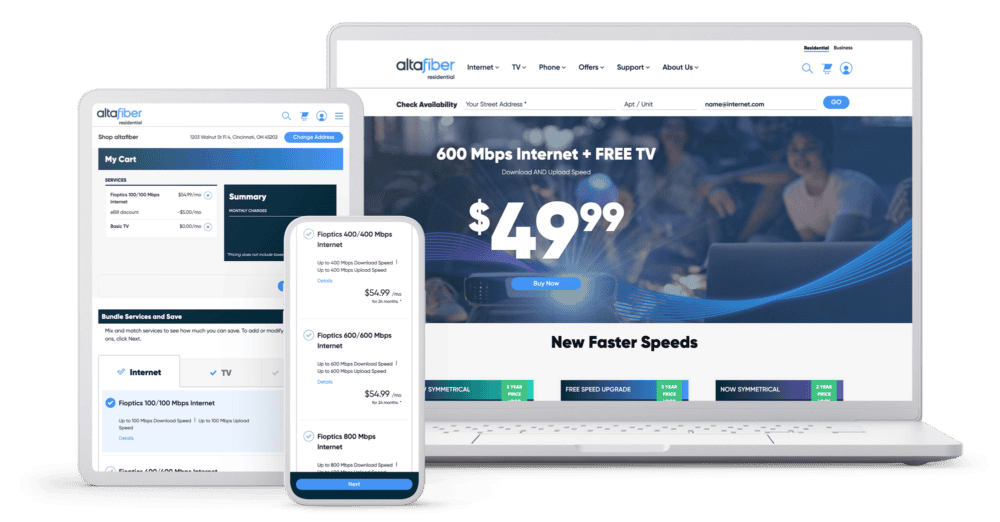
Over the past ten years, people’s expectations for connectivity have evolved a lot. Quality can’t just be measured by speed anymore. Now, reliability, openness, and flexibility are all equally crucial. Altafiber’s growth shows this change by focusing on long-term experiences instead of short-term measures.
This method recognizes that trust in digital technology takes time to build. When a service works well in a variety of situations, users gain trust in it. Altafiber meets these changing demands by focusing on stability and proactive management.
The service stands apart in a crowded industry because it focuses on building long-term relationships instead of short-term advertising appeal. It shows that you know that connectivity is a long-term relationship between the provider and the user.
What to Expect in the Future and how Ready we are for Technology
In the future, the digital world will keep changing quickly. New technologies like improved cloud computing, remote work environments, and immersive digital experiences will put new demands on the infrastructure that connects everything. Altafiber is ready for this future since its architecture is flexible.
The network can add new technologies without affecting existing services as long as it keeps its scalable capacity and modular design principles. This way of thinking about the future makes it less likely that users will need to make disruptive changes.
Getting the newest technology is not the only way to innovate in connectivity. It is also about adding new features in a way that keeps the system reliable and users’ trust. Altafiber’s plan shows that it has this balanced view.
Conclusion
When we look at altafiber more closely, we can see that its importance goes beyond just simple connectivity. It shows a way of designing networks and delivering services that puts consistency, adaptability, and long-term thinking first.
AltaFiber doesn’t just compete on surface-level features; it also works to make connectivity a reliable part of everyday life. This way of thinking fits with the fact that having access to digital technology is no longer a choice but a need.
As people keep adding digital tools to every part of their lives, the need for careful infrastructure design will only grow. Altafiber is an important player in the ongoing growth of digital connectivity because it focuses on structural resilience, user-centered simplicity, and being ready for the future.
In this situation, altafiber is not just a name for a service; it is also a case study in how modern connection may be designed to suit both current requirements and future potential without losing trust or stability.
Read More:- Zoomtown Email Login, Usage, Storage, Security & Account Control
