

Introduction
Zoomtown email is more than simply a way to send and receive messages over the internet. It is a communication framework that was established when regional internet providers were focusing on reliability, simplicity, and email systems based on identity. Cloud-first email services depend a lot on advertising ecosystems, whereas zoomtown email grew as a utility-focused service that put reliable access and steady delivery ahead of fancy features.
What sets zoomtown email apart is how it combines identity, account ownership, and service continuity into one structure. A lot of people still use it, not because it’s cool, but because it’s become a part of their everyday communication, billing, subscriptions, and business correspondence. This article looks at zoomtown email from technological, practical, and behavioral points of view that aren’t often talked about.
The Idea Behind Zoomtown Email
Zoomtown email was made to be a permanent digital address instead of a temporary mailbox. The service’s first structure focused on keeping accounts active for a long time. The email address was intimately linked to the user’s service profile, which gave it a sense of permanence that many modern temporary or alias-based email systems don’t have.
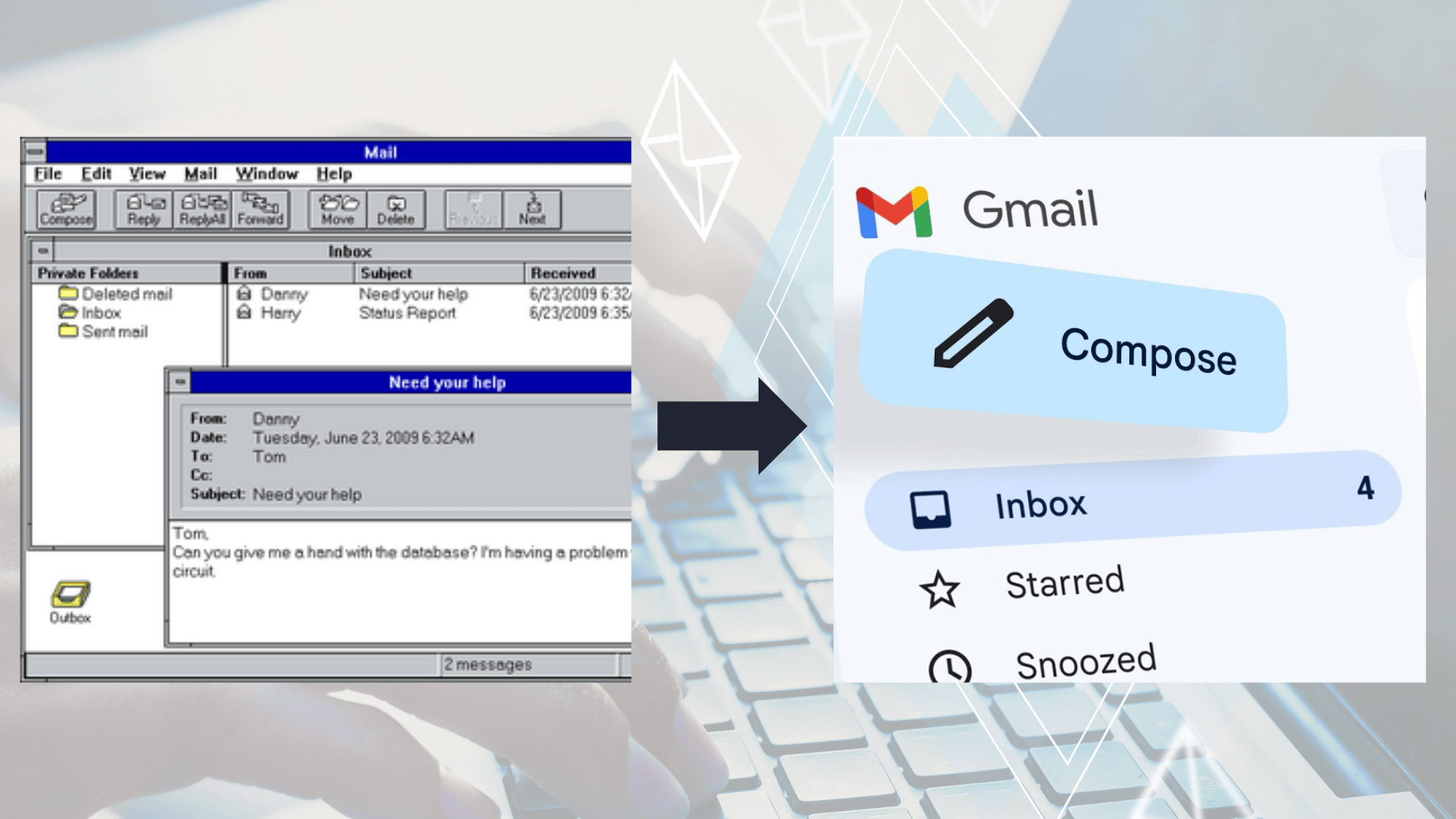
Zoomtown email had a layout and access logic that was rather stable, unlike most other platforms that encourage rapid changes to the interface. This stability made it easier for long-term users to learn and helped build trust, especially among users who liked things to stay the same rather than trying out new features all the time.
Another important part is that zoomtown email sees communication as an extension of a service, not a product. This difference has an effect on how data is stored, how spam is filtered, and how a user’s identity is kept safe over time.
How Zoomtown Email Accounts Work
Zoomtown email is developed on a layered model that keeps identity, storage, and access rights distinct. This division lets the system keep email going even when users change their service plans or check their email from different places.
A master account profile is linked to email addresses. This profile handles authentication, password recovery, and security settings. The mailbox itself works as a separate unit within that profile, so messages stay the same even when other parts of the account are changed.
This structure is especially helpful for people who have kept the same zoomtown email address for a long time. It keeps historical data, archived chats, and long-term correspondence available without having to move them around a lot.
How People log in and Access Things
The way people log into Zoomtown email shows that it was made with practicality in mind. The login system puts successful authentication ahead of making the interface look better. This makes loading faster and access less distracting.
Session persistence is one interesting thing. Zoomtown email generally keeps sessions open longer than many modern webmail providers, so you don’t have to check in as often. This is especially helpful for people who check their email several times a day from the same device.
However, the system also has a feature that automatically ends a session after a long period of inactivity to keep things safe. This balance between safety and ease of use shows a mature design approach based on long-term understanding of how people use things.
Logic for Email Retention and Storage Handling
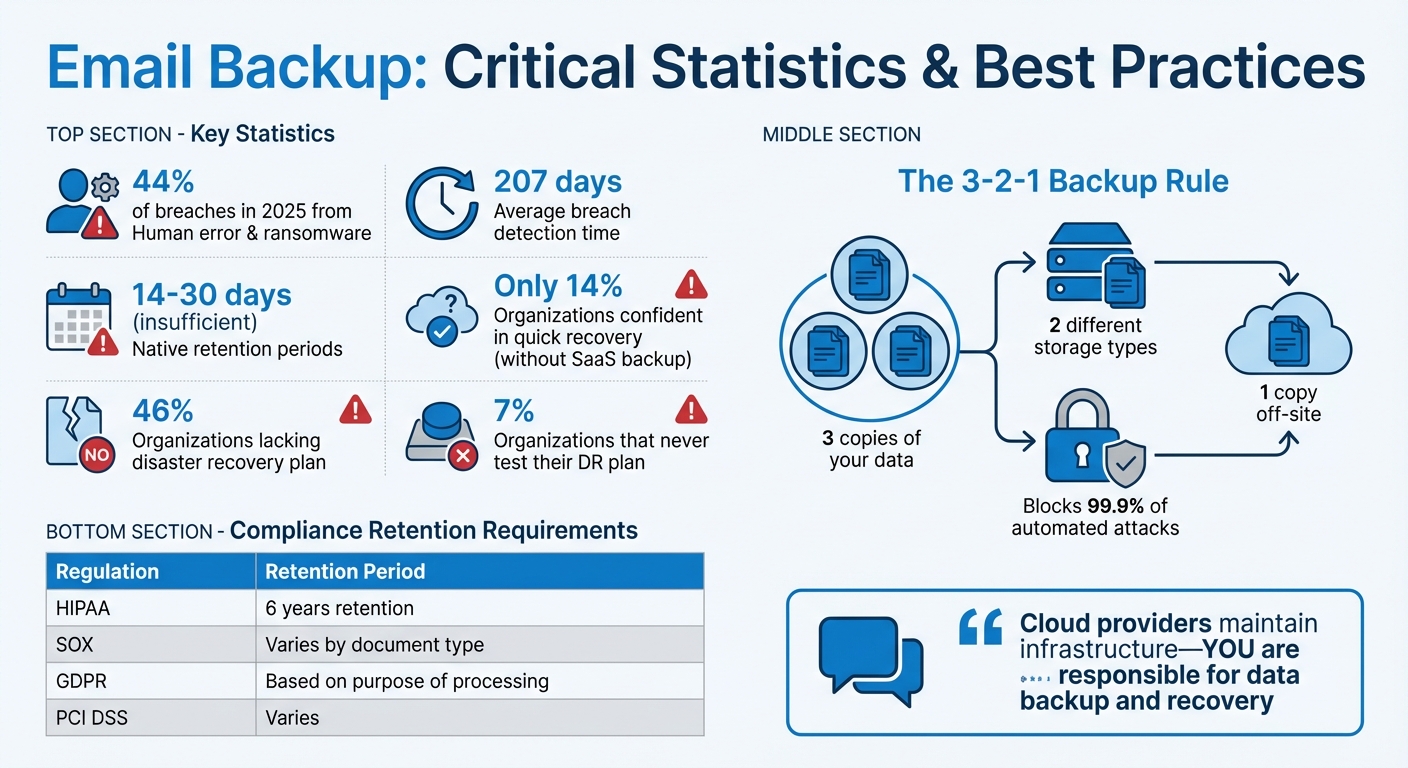
Zoomtown email’s storage management is different from other systems that use quotas. Instead of forcing users to delete outdated messages, the service used to focus on quickly compressing and organizing communications.
Emails are stored in a way that makes text-based communication the most important. Attachments are stored in a separate index, which makes it easier for the system to find messages without having to load more data. Even for accounts with a lot of email history, this architecture makes things run faster.
The retention logic also supports continuation. conversations stay accessible unless they are deliberately removed. This makes zoomtown email a great choice for people who need to look back to past conversations for legal documents, personal archives, or other purposes.
Table 1: Features of Zoomtown Email Storage
| Feature Aspect | Behavior in Zoomtown Email |
|---|---|
| Message Retention | Long-term unless manually deleted |
| Attachment Handling | Stored separately for performance |
| Archive Access | Full historical retrieval supported |
| Storage Optimization | Text-focused compression model |
| User Control | Manual organization preferred |
The Security Philosophy Behind Zoomtown Email
Security in Zoomtown email is done in a careful way. The system doesn’t make frequent modifications that could confuse users. Instead, it uses proven authentication mechanisms and background monitoring.
Password restrictions are enforced with a focus on making them easy to remember and strong at the same time. Zoomtown email doesn’t make you change your password all the time. Instead, it stresses making a strong initial password and keeping it safe by controlling who may access it.
Behavioral recognition is another unique security feature. The system keeps an eye on login habits over time and may ask for verification if it sees something strange. This quiet layer of protection works without getting in the way of everyday use.
Filtering spam and Sorting Messages
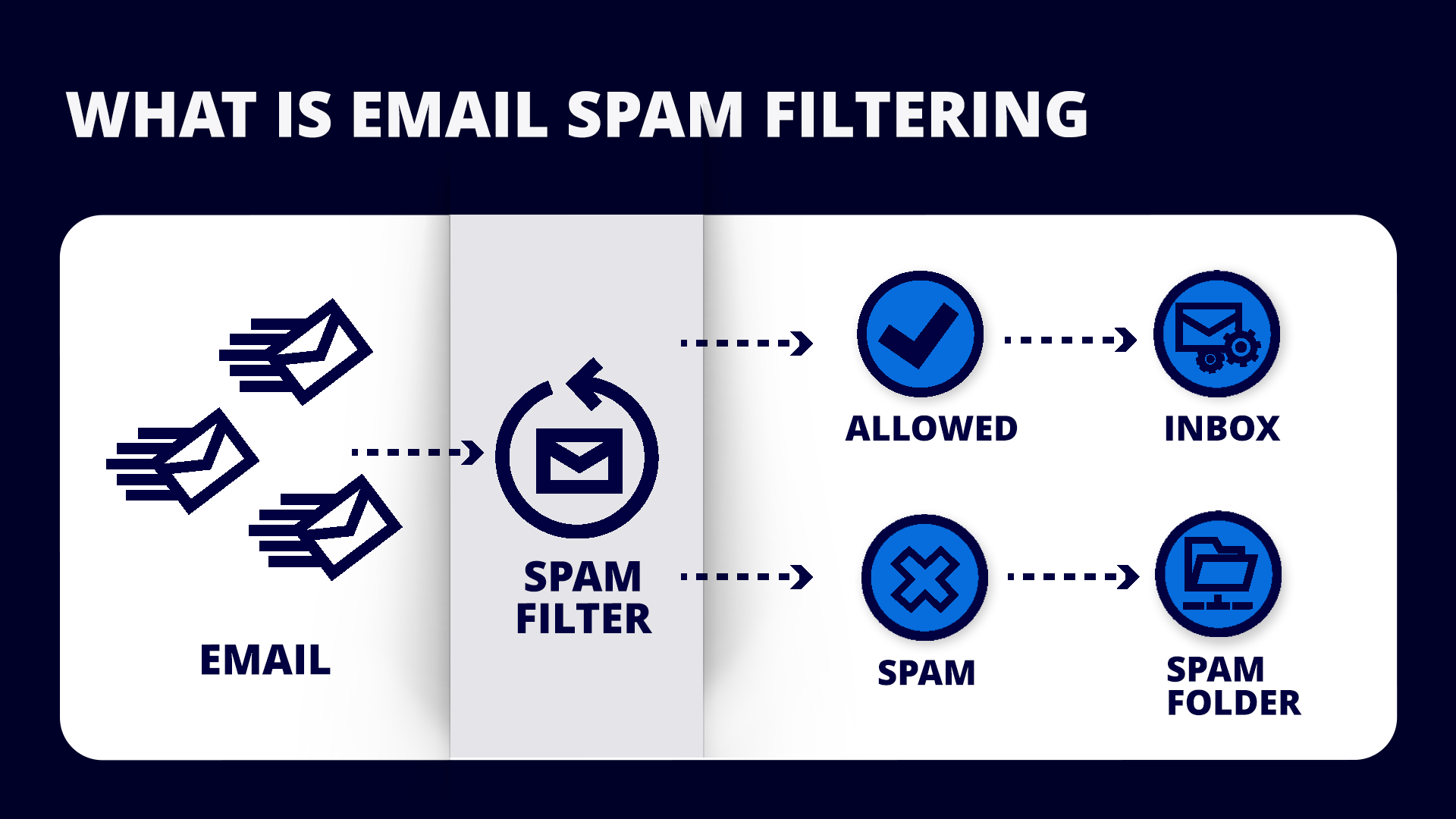
Zoomtown email doesn’t use strong filtering to deal with spam; instead, it uses pattern recognition. This method lowers the chance that crucial messages may be misclassified. Some commercial emails may still get through, but important messages are less likely to be blocked by mistake.
The system learns from what users do. Zoomtown email changes its internal filters as you move or delete mails. Over time, this makes the filtering experience more personal and in line with how each person uses it.
This adaptive strategy is based on a user-centered mindset, which means that control slowly passes to the account holder instead of depending just on automated rules.
Planning for Account Recovery and Continuity
In zoomtown email, account recovery is more about validating your identity than just how fast it is. Part of the recovery procedure may be checking past information related to the account to make sure that only real users may get back in.
This method may take a little longer than instant reset methods, but it greatly lowers the possibility of unwanted access. For users who have had accounts for a long time, this focus on security is more important than the hassle of having to go through extra processes to verify their identity.
Another thing that people don’t think about is continuity planning. Zoomtown email accounts are built to keep working even when the service is improved or the infrastructure changes. This means that email addresses will still work even when backend systems change.
Table 2: Zoomtown Email Recovery and Security Layers
| Security Layer | Purpose |
|---|---|
| Password Authentication | Primary access control |
| Session Monitoring | Detects unusual login behavior |
| Identity Verification | Used during recovery |
| Manual Validation | Prevents unauthorized resets |
| Historical Data Checks | Confirms long-term ownership |
User Experience and Stability of the Interface
The zoomtown email interface has stayed very much the same over time. This stability makes it easier for users to think and lets them focus on talking instead of finding their way around.
Zoomtown email focuses on readability and useful spacing, unlike newer interfaces that put visual simplicity ahead of clarity. This design option is good for people who have to deal with a lot of text-based communication.
You can customize things, but not too much. This makes sure that the interface works the same way on all devices and in all sessions, which is a basic characteristic that makes it more reliable.
Patterns of Use for Work and Personal
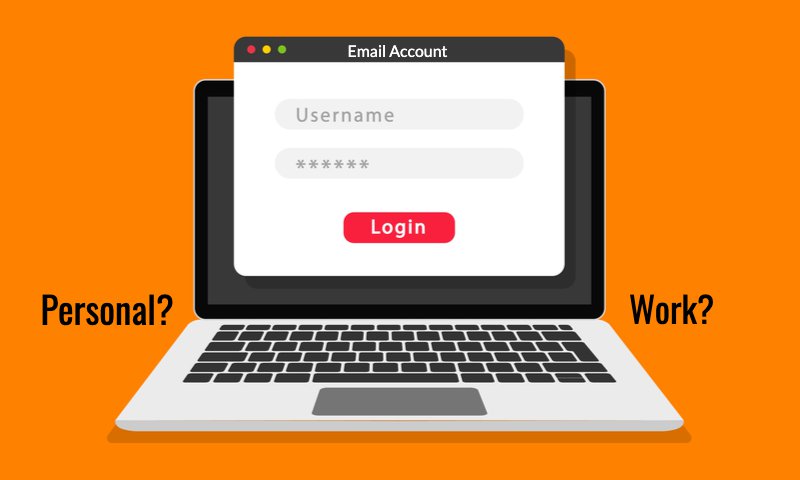
Zoomtown email is a special kind of communication that falls somewhere between work and personal. Many people made their accounts at first to send service-related messages, but over time they started using them for other things as well.
Because of this dual-purpose use, people have changed the way they manage their inboxes. Many people use folders and manual sorting within a single Zoomtown email account instead of making separate accounts for each role.
This behavior shows how much users trust that the service will be stable and available for a long time.
The Long-Term Value of a Zoomtown Email Address
The long-term value of zoomtown email comes from its ability to stay the same. A digital anchor is an email address that stays the same for years. It is linked to bank records, subscriptions, personal contacts, and talks from the past.
Changing an address like this can be a problem. This is why a lot of people keep their zoomtown email accounts even when they sign up for other email providers.
The address itself becomes a digital identity marker, showing that things are still the same in an online world that is getting more and more broken up.
Point of View on Data Ownership and Control

Zoomtown email takes a typical view of who owns data. Messages are not seen as assets that may be sold, but as user property. This has an effect on how data is saved and handled.
There isn’t much focus on tracking activity for advertising objectives. Instead, system resources are used to keep uptime, message integrity, and account security.
This paradigm gives users who are worried about data abuse a sense of security that is becoming harder to find.
Zoomtown Email’s Future Importance
Even when communication trends change, zoomtown email is still useful since it is reliable. Instant chatting and collaboration platforms are the most popular ways to talk to people in real time, but email is still a formal, documented way to do so.
Zoomtown email is a good choice for people who seek stability above newness because it focuses on stability. Its purpose might change, but it will always be a reliable way to communicate.
As digital ecosystems becoming more complicated, services that put a premium on transparency and reliability become even more important.
Conclusion
Zoomtown email is not meant to compete with worldwide platforms that have a lot of features. Its strengths are that it works quietly, is reliable over time, and is built for the needs of users. It is a way of thinking that sees communication as a service, not a product.
Zoomtown email is still a good solution for anyone who want to keep their digital identity, control their data, and have a stable email account. Its simple design and slow growth show that the people who made it know that trust is what makes communication systems valuable over time.
When you look at zoomtown email more closely than just the login instructions, you can see that its real strength derives from the ideas that went into making it. Its lasting importance comes from its stability, ownership, and continuity.
Read More:- Zoomtown Meaning, Growth Pattern, Economy, and Lifestyle Explained