

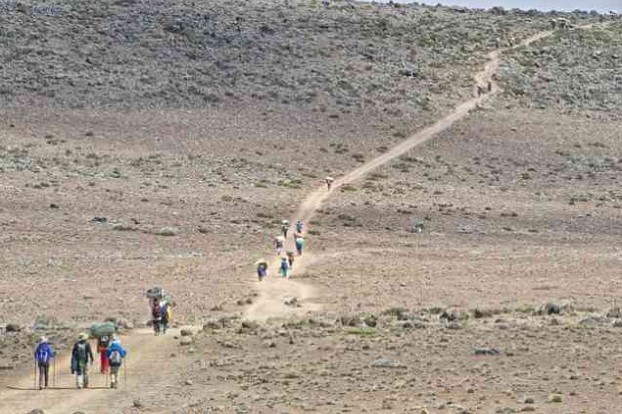
Contemplating a Kilimanjaro climb places you at the threshold of an extraordinary personal journey that will test every dimension of your capability. This iconic African mountain, soaring to 5,895 meters above the equatorial landscape, has become the ultimate proving ground for adventurers worldwide—not because it demands technical expertise, but precisely because it doesn’t. The challenge lies elsewhere: in your body’s ability to adapt to thinning air, your mind’s capacity to push through profound discomfort, and your preparation’s thoroughness in addressing every detail that separates triumph from disappointment. This guide provides the strategic framework and practical insights that transform ambitious dreams into summit reality.
Kilimanjaro Climb Fundamentals
A Kilimanjaro climb differs fundamentally from typical trekking adventures in ways that catch unprepared climbers by surprise. Understanding these core distinctions enables realistic expectations and appropriate preparation strategies.
The altitude differential creates the central challenge. Beginning near 1,800 meters and ascending to 5,895 meters represents more than a tripling of elevation. This isn’t merely “hiking at high altitude”—it’s operating in an environment where available oxygen decreases to roughly half sea-level values by summit day. Every bodily function from walking to digesting food to sleeping becomes labored and inefficient. Your normal hiking pace slows to half speed or less, and activities requiring minimal effort at sea level become exhausting undertakings.
The compressed timeframe intensifies the challenge. Most treks to comparable altitudes occur over weeks, allowing gradual adaptation. Kilimanjaro climbs condense this into 5-9 days depending on route selection. This compression creates a physiological race between your desired summit timeline and your body’s adaptation capacity. Choose routes providing adequate time, and success becomes highly probable. Rush the timeline, and your body cannot adapt quickly enough regardless of fitness level.
The weather volatility demands comprehensive preparation. Kilimanjaro’s position as a free-standing mountain creates localized weather systems that change rapidly. Mornings may offer brilliant sunshine while afternoons bring dense clouds, rain, or even snow. Summit night temperatures can plunge to -25°C with severe wind chill, yet lower camps remain comfortably warm. This variability means you cannot pack for a single condition—you need systems handling everything from tropical heat to arctic cold.
The logistical complexity requires partnering with experienced operators. Tanzanian regulations mandate guided climbs, but beyond legal requirements, the practical challenges of camping at altitude, navigating routes, managing altitude sickness, and coordinating emergency responses demand professional expertise. Your operator choice profoundly influences safety, comfort, and success probability—this isn’t an area for budget compromises or casual selection.
The Physiology of Altitude Adaptation
Success on a Kilimanjaro climb depends fundamentally on understanding how altitude affects your body and implementing strategies that support effective adaptation. This knowledge transforms altitude from a mysterious threat into a manageable challenge.
Oxygen availability decreases predictably with elevation due to declining atmospheric pressure. While oxygen percentage remains constant at 21% regardless of altitude, the pressure driving oxygen into your bloodstream decreases proportionally with elevation. At 3,000 meters, you have approximately 70% of sea-level oxygen. At 4,500 meters, roughly 58%. At the 5,895-meter summit, only 49%. These aren’t minor reductions—they represent profound physiological challenges your body must overcome.
Your body responds through multiple acclimatization mechanisms occurring over different timeframes. Immediate responses within minutes include increased breathing rate capturing more oxygen per minute and elevated heart rate circulating blood faster. Within hours, your kidneys begin adjusting blood chemistry to stimulate respiratory drive. Over 24-48 hours, your body increases red blood cell production enhancing oxygen transport capacity. Full acclimatization to a new altitude band requires several days—exactly why longer routes dramatically outperform shorter ones.
The concept of “altitude bands” proves crucial for understanding acclimatization strategy. Your body adapts to specific altitude ranges rather than continuously adjusting as you climb. Spending adequate time at 3,000-3,500 meters allows adaptation to that band, making 4,000 meters manageable. Adequate time at 4,000-4,500 meters enables tolerance of 5,000 meters. Rushing through altitude bands without adequate adaptation time causes altitude sickness regardless of fitness. This explains why eight-day routes achieve 95% success while five-day routes barely reach 60%—the faster route physically doesn’t allow sufficient time for adaptation.
Individual variation in acclimatization rates introduces unpredictability. Some people adapt rapidly with minimal symptoms while others struggle despite identical preparation. Genetics, prior altitude exposure, age, gender, and individual physiology all influence adaptation, with no reliable predictors of who acclimatizes well. Elite athletes sometimes struggle while sedentary individuals breeze through. This variability underscores why route selection providing generous acclimatization time matters more than fitness level.
Hydration profoundly impacts acclimatization effectiveness. Increased breathing rate at altitude causes substantial fluid loss through respiration—you literally exhale moisture with every breath. Dry mountain air accelerates evaporative loss from skin. Altitude-induced diuresis increases urination. Combined, these factors create fluid requirements of 4-5 liters daily—double your normal intake. Dehydration thickens blood, reducing oxygen transport efficiency and exacerbating altitude symptoms. Proper hydration represents your single most powerful intervention for supporting acclimatization.
Strategic Route Analysis
Route selection represents your most consequential decision affecting Kilimanjaro climb outcomes. Understanding how routes differ in acclimatization design, scenery, difficulty, and crowding enables choices aligned with your priorities and risk tolerance.
The Northern Circuit’s eight to nine-day circumnavigation provides unmatched acclimatization through gradual elevation gain and extended time at altitude. Daily elevation gains remain modest, allowing your body continuous adaptation without overwhelming its capacity. The complete circumnavigation showcases Kilimanjaro from every angle—western rainforests, northern moorlands, eastern alpine deserts, and southern glaciated approaches. Success rates consistently exceed 95%, as close to guaranteed as mountain climbing permits. Premium pricing of 3,500-5,000 USD reflects extended services, but for climbers prioritizing summit certainty, the investment delivers exceptional value.
The Lemosho Route’s seven to eight-day western approach provides outstanding scenery through remote wilderness before merging with Machame traffic for the final push. Beginning at lower elevation than most routes allows more gradual initial adaptation. The traverse across the Shira Plateau offers spectacular vistas with minimal crowds during initial days. Effective acclimatization design yields 90-92% success rates. Pricing of 2,800-4,200 USD reflects longer approach logistics and extended duration. Lemosho represents the optimal choice for most first-time Kilimanjaro climb balancing success probability, scenic quality, and reasonable cost.
The Machame Route’s six to seven-day profile provides good acclimatization through intelligent elevation gain and loss patterns. The route implements “climb high, sleep low” principles where daily treks ascend to higher altitude before descending to camp, stimulating adaptation while avoiding dangerous overexertion. Scenic highlights include the Shira Plateau traverse and Barranco Wall scramble. Success rates of 80-85% reflect effective design, though popularity creates crowded trails and packed campsites. Pricing of 2,200-3,500 USD offers reasonable value for budget-conscious climbers accepting slightly reduced success probability and heavier traffic.
The Rongai Route’s northern approach provides gentler gradients and drier conditions. Six to seven-day itineraries allow moderate acclimatization yielding 75-80% success rates. The route experiences less dramatic scenery than western approaches but offers an authentic wilderness atmosphere with minimal traffic. Drier conditions make Rongai attractive during wetter months when southern routes become muddy. Pricing of 2,300-3,600 USD reflects comparable duration to Machame. Consider Rongai if you have knee concerns making steep descents problematic or if wilderness solitude matters more than spectacular scenery.
The Marangu Route’s hut accommodations appeal to those uncomfortable with camping, but this comfort comes at significant cost to success probability. The standard five-day itinerary gains altitude too rapidly for most people’s adaptation capacity, contributing to success rates barely exceeding 60%. Heavy traffic and using the same trail up and down reduce experience quality. The optional six-day itinerary with acclimatization day improves outcomes to 70-75% success. Pricing of 1,800-2,800 USD reflects shorter duration. Only consider Marangu if camping is truly unacceptable, and absolutely insist on the six-day option.
Equipment Systems That Perform
Quality equipment transforms your Kilimanjaro climb from potential ordeal into manageable challenge. The mountain’s extreme conditions demand reliable gear that performs across temperature extremes, varied terrain, and sustained use.
The layering principle governs clothing systems. Base layers in merino wool or synthetics wick perspiration while providing insulation—bring three tops and two bottoms enabling rotation without laundry. Mid-layers including lightweight fleece (active warmth), heavyweight fleece (camp comfort), and insulated jacket (extreme cold) provide options for every condition. Outer shells in waterproof-windproof breathable materials protect against precipitation and wind while allowing sweat vapor escape. This three-layer system adapts to any condition through strategic addition or removal of layers.
Footwear quality and fit eclipse all other equipment considerations. Waterproof hiking boots with full ankle support, substantial insulation, and aggressive tread must fit perfectly with your sock system—no exceptions. Poor-fitting boots cause blisters that end climbs more reliably than altitude sickness. Visit specialty retailers for professional fitting including gait analysis and pressure point assessment. Break boots in thoroughly through 100-150 kilometers of varied hiking including long days and multiple consecutive days. Bring two sock systems—thin liner socks reducing friction plus thick hiking socks providing cushioning and insulation. Consider bringing backup boots if luggage space permits.
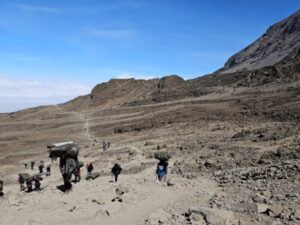
Sleeping systems must handle extreme cold at high camps where temperatures drop to -20°C or colder. Four-season sleeping bags rated to -20°C minimum ensure comfortable sleep, with -25°C ratings providing security for cold sleepers. Down sleeping bags offer superior warmth-to-weight ratios but lose insulation when wet—only viable if you’re confident about keeping them dry. Synthetic bags maintain warmth when damp but weigh more and pack larger. Sleeping bag liners add 5-10°C warmth while protecting bags from body oils. Critically important, insulated sleeping pads with R-values of 5.0+ prevent ground heat loss that even excellent sleeping bags cannot prevent.
Hand protection requires multiple layers providing versatility. Lightweight liner gloves for active movement, insulated gloves for camp activities, and waterproof shell mittens for summit night combine to handle all conditions. Layering thin gloves under insulated gloves under shell mittens provides maximum warmth for summit night’s extreme cold. Bring backup gloves—losing gloves at altitude creates dangerous situations.
Additional essentials include trekking poles (dramatically reduce knee stress during descents), headlamp with spare batteries plus backup headlamp (redundancy critical), glacier glasses with wraparound protection and UV filtering, SPF 50+ sunscreen (altitude intensifies UV exposure), lip balm with SPF protection, insulated water bottles or hydration systems holding three liters minimum, personal first aid kit, and camera equipment. Invest in quality versions—cheap equipment fails when you need it most.
Operator Due Diligence
Your operator selection profoundly influences safety, comfort, success probability, and ethical impact. Systematic evaluation distinguishes quality companies from problematic operators competing through low prices rather than superior service.
Safety infrastructure deserves primary consideration. Quality operators employ guides holding Wilderness First Responder or Wilderness EMT certification from recognized training organizations. They maintain comprehensive medical supplies including prescription medications, supplemental oxygen, pulse oximeters for monitoring blood oxygen, and portable altitude chambers for severe cases. They carry satellite phones or two-way radios enabling emergency communication from remote locations. They have established evacuation protocols coordinating with Tanzania National Parks Authority and helicopter services. Request specific details about guide qualifications, medical equipment inventories, communication systems, and recent emergency responses. Reputable operators provide transparent answers while budget operators deflect with vague assurances.
Ethical porter treatment distinguishes responsible companies from exploitative operations. The Kilimanjaro Porters Assistance Project (KPAK) certifies operators meeting comprehensive fair treatment standards: wages exceeding legal minimums by 50%+, appropriate clothing including boots, jackets, and sleeping bags for porters working at altitude, load limits of 20 kilograms maximum including porter’s personal gear (verified through weighing), three nutritious meals daily for porters, and sleeping accommodations equal to client standards. KPAK partner certification provides independent verification of ethical practices rather than relying on company claims. Remember that porters carrying your equipment and supplies directly enable your summit—their welfare isn’t merely ethical concern but practical necessity.
Package comprehensiveness determines true costs. Quality operators include all Tanzania National Parks fees (entrance, camping, conservation, rescue—totaling 850+ USD), certified guide and assistant guide services, adequate porter team, quality camping equipment maintained to high standards, three varied nutritious meals daily plus snacks and hot beverages, purified drinking water, airport transfers, comprehensive pre-climb briefing, and emergency coordination services. Budget operators exclude crucial elements, creating surprise costs or compromised service quality. Demand detailed written breakdowns of all inclusions and exclusions before committing.
Client testimonials provide invaluable insights when sourced appropriately. Read reviews across multiple independent platforms—TripAdvisor, Google Reviews, climbing forums, and Facebook groups. Look for consistent patterns rather than isolated complaints or praise. Focus on recent reviews (past 12-24 months) reflecting current operations rather than historical performance. Pay particular attention to comments about food quality and variety, guide competence and attentiveness, how companies handle altitude sickness cases, and resolution of problems. Single negative reviews may reflect personality conflicts, but consistent patterns reveal systematic issues.
Mental Preparation Framework
Mental preparation receives insufficient attention from climbers who focus exclusively on physical conditioning. Yet summit night’s psychological demands match or exceed physical challenges, making mental conditioning equally essential for success.
Understanding the psychological challenges enables targeted preparation. Summit night combines multiple stressors simultaneously: beginning around midnight when your body craves sleep, extreme cold of -20°C or colder with severe wind chill, maximum altitude effects with profound oxygen deficit, severe headaches and nausea common even among well-acclimatized climbers, complete darkness requiring headlamp navigation, extraordinarily slow “pressure breathing” pace feeling frustratingly inadequate, and 5-7 hours of sustained effort when accumulated fatigue peaks. This convergence tests willpower more than any other mountain section.
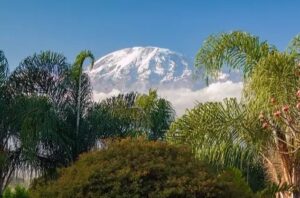
Visualization exercises build mental familiarity with anticipated challenges. Regularly imagine yourself in summit night scenarios—feeling bitter cold penetrating layers, experiencing severe headache and nausea, facing the urge to quit, and choosing to continue anyway. Mentally rehearse positive self-talk you’ll use when your body protests. Visualize reaching the summit successfully, connecting present preparation with future achievement. These mental rehearsals create neural pathways making actual experiences feel familiar rather than overwhelming.
Discomfort exposure training builds resilience against physical challenges. Practice early morning workouts when you’d rather sleep, take cold showers developing tolerance for discomfort, push through fatigue during final training miles when quitting feels easier than continuing. These experiences develop the mental toughness needed when summit night tests your resolve. The key is learning that discomfort is temporary and manageable rather than unbearable—a lesson serving you throughout the climb.
Positive self-talk strategies provide tools for maintaining determination during difficult moments. Develop specific phrases you’ll repeat when facing urges to quit: “I’ve trained months for this moment,” “Discomfort is temporary, achievement is permanent,” “One step at a time,” “My body is stronger than my doubts.” Practice these phrases during difficult training sessions until they become automatic responses to adversity. Summit night’s psychological challenge often reduces to simple choice between competing inner voices—preparation strengthens the voice encouraging continuation.
Goal segmentation prevents psychological overwhelm. Rather than fixating on the distant summit creating feelings of impossibility, break summit night into manageable segments. Focus on reaching the next rest stop, then the next, accumulating small victories building momentum and confidence. This approach makes the journey feel achievable rather than insurmountable.
Conclusion
A Kilimanjaro climb represents the perfect synthesis of accessibility and authentic challenge—achievable through proper preparation and strategic planning yet demanding enough to provide genuine sense of accomplishment. The mountain welcomes determined individuals regardless of technical climbing background while still testing physical capacity, mental resilience, altitude tolerance, and preparation thoroughness in ways that separate successful summits from disappointed retreats. Success depends less on natural athletic ability than on understanding the challenge’s specific demands and addressing each systematically through route selection, equipment preparation, operator partnership, physical conditioning, and mental readiness.
The transformation extends far beyond the summit moment. The journey through ecological zones provides compressed environmental education, while sustained effort at extreme altitude reveals personal capabilities with unusual clarity. Summit night’s dark hours, when cold, altitude effects, and exhaustion converge, forge confidence and self-knowledge applicable throughout life. Whether you stand atop Uhuru Peak savoring triumph or turn back having given maximum effort, you return fundamentally changed—more aware of your capabilities, more appreciative of natural forces, and more confident facing future challenges. For those ready to invest in comprehensive preparation and embrace genuine difficulty, a Kilimanjaro climb delivers life-changing experiences justifying every demanding step and uncomfortable night.
Key Takeaways
- Route duration determines success probability more than any other factor: Northern Circuit (8-9 days) achieves 95%+ success, Lemosho (7-8 days) reaches 90-92%, Machame (6-7 days) achieves 80-85%, while Marangu (5-6 days) barely reaches 60-65%.
- Acclimatization occurs in “altitude bands” requiring 24-48 hours per band—rushing through altitude bands without adequate time causes altitude sickness regardless of fitness level.
- Hydration requirements double to 4-5 liters daily at altitude due to increased respiration, dry air, and altitude-induced diuresis—proper hydration is your most powerful acclimatization intervention.
- Footwear quality and fit eclipse all other equipment considerations—poor-fitting boots cause blisters ending more climbs than altitude sickness, making professional fitting and thorough break-in essential.
- Operator selection based on safety credentials (WFR/WEMT-certified guides, oxygen, satellite communication), KPAK ethical certification, and comprehensive packages matters more than price for success.
- Mental preparation through visualization, discomfort exposure, and positive self-talk development proves as important as physical training for summit night’s psychological challenges.
- Total costs range 4,500-8,000 USD including flights (700-1,500 USD), packages (2,200-5,000 USD), insurance (100-300 USD), tips (250-400 USD), equipment, visas, and contingencies.
- Mandatory specialized travel insurance covering high-altitude trekking to 6,000 meters and emergency evacuation (potentially 10,000-15,000 USD) is non-negotiable for responsible climbing.
- Individual acclimatization rates vary unpredictably—elite athletes may struggle while sedentary individuals thrive, making generous route duration more important than fitness level.
- Summit night combines extreme cold, maximum altitude effects, darkness, severe fatigue, and slow pace over 5-7 hours—mental resilience matters as much as physical capacity.
Frequently Asked Questions
What is the actual success rate for Kilimanjaro climbs?
Overall success rates average approximately 65%, but this masks dramatic variation by route. Five to six-day Marangu climbs achieve 60-65% success, six to seven-day Machame reaches 80-85%, seven to eight-day Lemosho achieves 90-92%, and eight to nine-day Northern Circuit exceeds 95%. The primary determinant is acclimatization time—longer routes allowing gradual altitude adaptation dramatically outperform rapid ascent routes. Individual factors including hydration compliance, prior altitude exposure, and genetic acclimatization capacity also influence outcomes, but route duration remains the strongest predictor of success.
How long should I train before attempting a Kilimanjaro climb?
Begin structured training at least four months before departure, with six months being ideal for those starting from lower fitness baselines. The first 6-8 weeks focus on building aerobic base through cardiovascular training. Weeks 8-16 emphasize hiking-specific conditioning with progressively longer weighted hikes. Throughout the entire period, maintain strength training for leg development and core stability. The final 3-4 weeks implement tapering, reducing volume while maintaining intensity so you arrive fresh rather than fatigued. Rushed preparation increases injury risk without providing adequate adaptation time for sustainable fitness development.
Can I successfully climb Kilimanjaro if I’ve never been to high altitude?
Yes, most successful Kilimanjaro climbers have no prior high-altitude experience. The mountain serves as many people’s introduction to altitude challenges. However, lack of experience makes route selection critically important—choose seven to nine-day routes providing optimal acclimatization time rather than five to six-day routes requiring rapid adaptation your body hasn’t learned to perform. Your body can acclimatize effectively to altitude regardless of prior exposure if given adequate time. Consider altitude as a skill your body learns during the climb rather than a pre-existing capability you either possess or lack.
What makes summit night so much harder than the rest of the climb?
Summit night combines multiple extreme challenges simultaneously in ways that individual climb days don’t. Beginning around midnight violates natural sleep rhythms when your body craves rest. You climb 1,200 vertical meters over 5-7 hours in temperatures of -20°C or colder. Altitude effects reach maximum intensity with only 49% of sea-level oxygen availability. The extraordinarily slow “pressure breathing” pace of one step per exhalation feels frustratingly inadequate. Severe headaches, nausea, and dizziness commonly affect even well-acclimatized climbers. Complete darkness creates psychological isolation. This convergence of physical, environmental, and psychological stressors tests every aspect of your preparation simultaneously.
Is it worth paying significantly more for longer routes?
Absolutely. The correlation between route duration and success rate is unambiguous and dramatic. An eight-day Northern Circuit costing 1,000-1,500 USD more than a six-day Machame increases success probability from 80-85% to 95%+—essentially guaranteeing summit versus accepting 15-20% failure risk. When considering the total investment of time, money, training, and travel to reach Tanzania, paying 20-30% more to increase success probability by 10-15% represents excellent value. Additionally, longer routes provide more time to enjoy the mountain’s beauty and reduce physical suffering from rushed acclimatization, enhancing overall experience quality beyond just summit probability.
What percentage of climbers experience altitude sickness?
Approximately 75% of Kilimanjaro climbers experience some altitude sickness symptoms, but severity varies enormously. Mild symptoms including headache, nausea, and fatigue affect roughly 60% and typically resolve with rest, hydration, and continued gradual ascent. Moderate symptoms requiring close monitoring affect about 15%. Severe altitude sickness requiring immediate descent occurs in roughly 10-15% of climbers, primarily on rapid ascent routes. High Altitude Pulmonary Edema or High Altitude Cerebral Edema requiring emergency evacuation affects approximately 1-2% of climbers. Longer routes with optimal acclimatization dramatically reduce both incidence and severity of altitude symptoms.
How do I choose between multiple KPAK-certified operators offering similar prices?
When multiple operators meet baseline safety and ethical standards at comparable prices, differentiation comes through specific factors: guide experience levels and language capabilities (English fluency varies), food quality and variety (read recent reviews focusing on meals), group size and guide-to-client ratios (smaller groups receive more attention), equipment quality and maintenance (ask about tent ages and sleeping mat types), and communication style and responsiveness (gauge through pre-booking interactions). Request references from recent clients and conduct phone conversations to assess rapport with the operator. The guide-client relationship significantly impacts your experience—choose operators where communication feels natural and responsive.
Should I book my Kilimanjaro climb months in advance or can I book upon arrival?
Book at least 3-6 months in advance for several reasons: reputable operators with limited availability fill early especially during peak seasons (July-August, December-February), advance booking secures your preferred dates and route, early commitment motivates consistent training, and advance payment often secures modest discounts. Last-minute bookings force acceptance of whatever availability remains, often with lesser-quality operators or undesirable dates. While walk-up bookings exist in Tanzania, they typically involve budget operators with questionable safety standards or ethical practices. The financial savings rarely justify compromised safety, success probability, or rushed preparation.
What happens to my body during acclimatization at altitude?
Acclimatization involves coordinated physiological changes across multiple systems. Within minutes, breathing rate increases capturing more oxygen per minute, and heart rate elevates circulating blood faster. Within hours, kidneys adjust blood chemistry increasing respiratory drive even during sleep. Over 24-48 hours, your body begins producing erythropoietin stimulating red blood cell production. Over days, red blood cell count increases by 10-20%, enhancing oxygen transport capacity. Capillary density increases in working muscles, improving oxygen delivery. These changes require time—typically 24-48 hours per 500-1,000 meter altitude band—explaining why longer routes with gradual ascent dramatically outperform rapid ascent routes.
Can I attempt Kilimanjaro if I’m over 60 years old?
Age alone doesn’t disqualify you—successful climbers range into their 70s and occasionally 80s. However, comprehensive medical evaluation becomes essential before attempting Kilimanjaro at advanced age. Consult your physician about cardiovascular fitness for sustained exertion at altitude, joint health for multi-day hiking, and any chronic conditions potentially affected by extreme conditions. If medically cleared, choose longer routes (7-9 days) providing optimal acclimatization time rather than pushing rapid schedules. Many older climbers succeed through superior mental discipline, pacing wisdom, and thorough preparation compensating for reduced physical capacity compared to younger climbers.
