

Managing bulk materials in industrial operations is a critical part of running a smooth and efficient business. Bulk materials, such as grains, chemicals, minerals, or powders, need proper handling to avoid losses, delays, and safety issues.
If these materials are not managed well, it can affect production schedules and increase operational costs. Industrial operations require careful planning, the right equipment, and trained staff to ensure that materials move safely and efficiently from storage to processing areas.
Planning Material Flow
Planning the flow of bulk materials is the first step to ensure efficiency. Understanding how materials enter the facility, where they are stored, and how they move to production lines helps prevent bottlenecks.
Proper planning reduces unnecessary handling and makes sure that materials are available when needed. It is also important to plan for storage capacity, considering seasonal changes or sudden increases in demand.
Storing Bulk Materials Safely
Storing bulk materials safely is essential to prevent accidents and maintain quality. Materials such as chemicals or grains can be sensitive to moisture, temperature, or contamination. Using appropriate storage containers, bins, and silos helps protect the materials and ensures they stay usable for longer.
Industrial operations should also maintain cleanliness and regularly inspect storage areas to prevent issues like mold, corrosion, or pests. Safe storage practices not only protect the materials but also ensure the safety of workers and the surrounding environment.
Look for Grain Truck for Sale
Transporting bulk materials efficiently requires the right vehicles. Many operations look for grain truck for sale to move materials from farms to processing facilities or between storage locations. Grain trucks are designed to carry large amounts of materials safely and quickly.
Choosing the right truck depends on the type of material, the distance, and the terrain. Regular maintenance of trucks also ensures that materials are delivered on time and without loss, which is crucial for operations that handle high volumes of bulk goods.
Invest in Bulk Material Handling Equipment
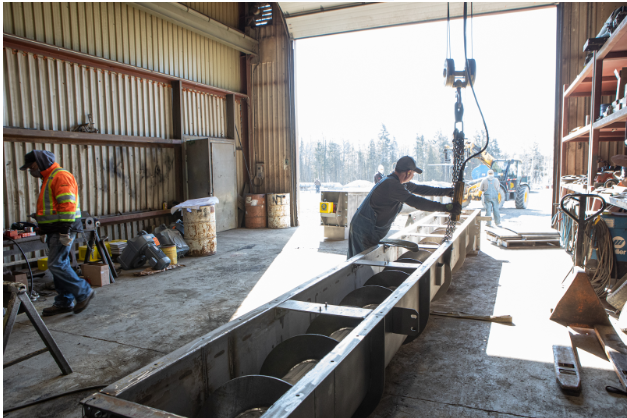
Investing in bulk material handling equipment improves efficiency and reduces labor costs. Equipment such as conveyors, loaders, hoppers, and bucket elevators moves materials quickly from one point to another.
This equipment minimizes manual handling and reduces the risk of injury. Industrial operations that invest in bulk material handling equipment often see higher productivity because materials flow smoothly through production lines.
Monitoring and Tracking Materials
Monitoring and tracking bulk materials is important to avoid losses and ensure accountability. Using software and sensors can help track inventory levels, material movement, and storage conditions.
Accurate tracking allows managers to make quick decisions if shortages or excesses occur. Regular audits and checks also prevent mistakes and improve overall efficiency. Tracking materials helps operations maintain control over their supply chain.
Maintaining Equipment
Maintaining equipment is key to preventing downtime and prolonging its lifespan. Bulk material handling equipment, trucks, and storage systems require regular inspection, cleaning, and repairs.
Scheduled maintenance ensures that machinery operates efficiently and reduces the chances of breakdowns that can halt production. Proper maintenance also keeps equipment safe for workers to operate.
Conclusion
Managing bulk materials in industrial operations requires careful planning, safe storage, the right vehicles, and reliable handling equipment. Monitoring materials and maintaining equipment ensures efficiency, safety, and productivity.
Operations that follow these steps can minimize losses, prevent accidents, and keep production running on schedule. Effective bulk material management is not just about moving materials; it is about creating a system that supports the entire operation and allows it to grow safely and efficiently.
