

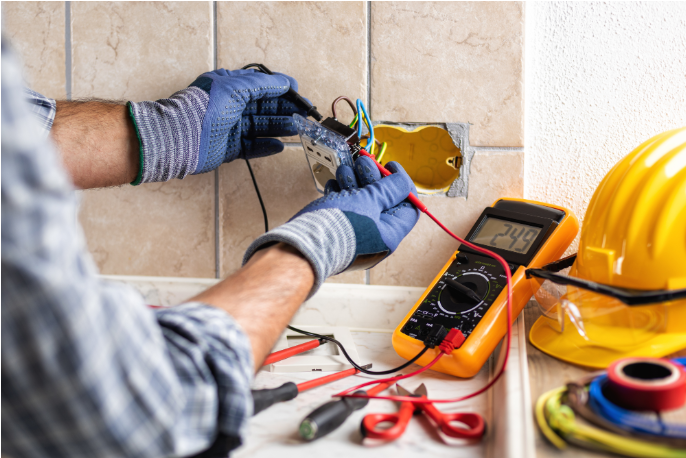
The electrical system is the circulatory system of any home, powering everything from basic lighting to complex appliances and smart home technology. When it functions correctly, it goes unnoticed. When it fails, the consequences can range from inconvenient to catastrophic. Professional residential electrical services ensure that the systems running through the walls of your home are installed, maintained, and repaired to the standards that protect both property and life.
The Real Risks of Treating Electrical Work as a DIY Project
Electrical work carried out by unqualified individuals represents one of the leading causes of residential fires and electrocution injuries. Unlike many home improvement tasks where mistakes are correctable and consequences are limited, electrical errors can remain hidden inside walls for years before triggering a catastrophic failure. Beyond personal safety, unpermitted electrical work creates serious complications when a property is sold or when insurance claims are filed, as insurers may deny coverage for damage arising from non-compliant installations.
What Qualified Electricians Bring That Others Cannot Match
Licensed electricians combine formal training, practical experience, and ongoing education about evolving code requirements that make their work both safe and compliant. They identify not just the presenting problem but underlying issues in the system that could create future failures. Reputable providers of residential electrical service bring diagnostic equipment, appropriate materials, and the code knowledge needed to produce work that will pass inspection and serve the home reliably for years.
Common Residential Electrical Upgrades Worth Investing In
Many older homes carry electrical infrastructure that simply was not designed for modern energy demands. Panel upgrades increase capacity to support contemporary appliances and electric vehicle charging. Additional circuits eliminate the overload conditions that trip breakers and stress existing wiring. Whole-home surge protection shields expensive electronics from voltage events. Working with a qualified electrical contractor to prioritize and sequence these upgrades ensures the work is done safely, to code, and with permanent documentation.
Recognizing When Your Home’s Wiring Needs Professional Attention
Certain signs indicate that professional electrical assessment is overdue. Breakers that trip frequently, lights that flicker or dim when appliances operate, outlets that feel warm to the touch, burning smells without an identifiable source, and electrical panels using fuses rather than circuit breakers all warrant prompt professional review. In homes built before the 1980s, the presence of aluminum wiring or outdated two-prong outlets should prompt an assessment of the entire system’s current safety and compliance status.
How Electrical Work Protects Your Home’s Value and Insurability
The electrical system’s condition directly affects a home’s insurability and market value. Homes with panels identified as problematic by insurers may face coverage limitations or premium increases. Buyers increasingly request electrical inspections, and undisclosed deficiencies discovered during sale negotiations create complication and cost. Maintaining a properly updated and documented electrical system is both a safety measure and a sound investment in the property’s long-term value.
Conclusion
Professional residential electrical services protect everything that depends on the power running through your home and ultimately the home itself and everyone living in it. The combination of safety, compliance, and technical quality that a licensed electrician delivers is simply not reproducible through amateur work. Investing in professional electrical service is one of the most straightforward and consequential decisions a homeowner can make.
