

A clean, well-maintained outdoor space enhances both the beauty and functionality of your property. Overgrown vegetation, accumulated debris, and unmanaged wildlife can quickly diminish the appeal and safety of gardens, patios, and yards.
Maintaining an inviting exterior requires more than regular mowing and trimming—it demands strategic interventions to manage pests, control invasive species, and preserve long-term outdoor health.
Establishing a Regular Maintenance Routine
The first step in keeping outdoor spaces clear is a consistent maintenance schedule. This includes mowing lawns, trimming shrubs, pruning trees, and clearing fallen leaves or debris. Regular attention prevents overgrowth that can harbor insects, rodents, and other unwanted wildlife. Pathways, patios, and driveways should be swept or pressure-washed periodically to maintain accessibility and safety.
Proper drainage and soil management are also critical. Standing water or poor drainage can create breeding grounds for mosquitoes and attract other pests, compromising the cleanliness and usability of outdoor spaces.
Implementing Industrial Pest Control Services
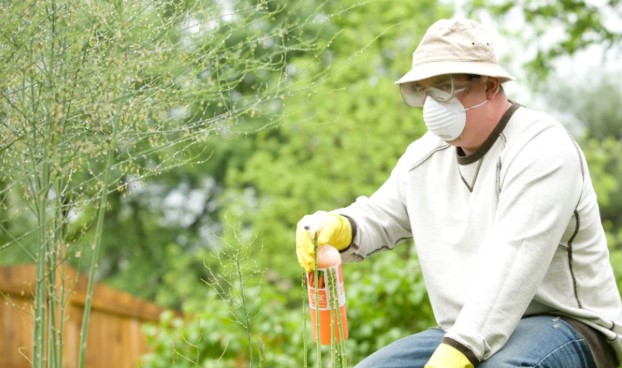
Pests can quickly undermine the health and enjoyment of outdoor areas. Ants, termites, rodents, and other invasive insects may damage plants, structures, and furniture. Industrial pest control services provide professional intervention that exceeds standard DIY treatments.
These services utilize specialized equipment, chemical treatments, and integrated pest management strategies to target infestations effectively while minimizing risk to plants and humans. Regular inspections and scheduled treatments prevent small problems from escalating into large-scale infestations. Partnering with industrial pest control professionals ensures long-term protection and peace of mind for your property.
Managing Larger Wildlife with Iguana Control
In some regions, non-native wildlife such as iguanas can threaten landscaping and outdoor aesthetics. Iguanas feed on plants, dig burrows that destabilize soil, and leave droppings that create health hazards. Left unmanaged, their presence can rapidly degrade outdoor spaces.
Professional iguana control services employ humane trapping, exclusion techniques, and habitat modification to reduce population impact. These strategies protect gardens, lawns, and trees while ensuring compliance with local wildlife regulations. Early intervention is key; controlling iguanas before they establish permanent residence prevents structural and ecological damage.
Optimizing Outdoor Storage and Organization
Clutter attracts pests and obstructs usability. Organize tools, lawn equipment, and seasonal items in secure storage sheds or garages. Elevated storage, sealed containers, and proper ventilation reduce moisture accumulation and limit opportunities for rodents or insects to nest.
Designing landscape layouts with accessibility in mind simplifies cleaning and maintenance. Clear pathways, raised beds, and mulched areas reduce debris accumulation and create natural barriers against pest intrusion.
Creating Barriers and Protective Landscaping
Strategically placed barriers can deter both pests and larger wildlife. Fencing, plant hedges, and gravel borders limit access to sensitive areas such as gardens, ponds, or compost bins. Choosing pest-resistant plants and maintaining healthy vegetation reduces vulnerability to infestation or wildlife intrusion.
Mulching and ground cover also reduce weeds and prevent soil erosion, keeping outdoor areas cleaner and easier to maintain over time.
Maintaining Long-Term Outdoor Hygiene
Consistent care, combined with professional support, ensures that outdoor spaces remain clean, safe, and enjoyable. Routine debris removal, integrated pest control, and wildlife management minimize risks while maximizing aesthetic and functional appeal.
