

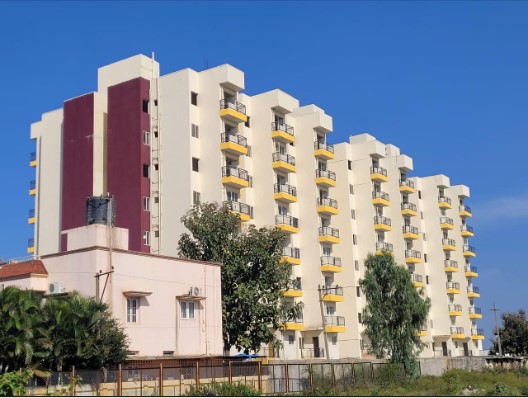
Urban property decisions today are no longer limited to immediate housing needs. Buyers evaluate long-term flexibility, land value, and structured development before making commitments. The modern real estate buyer is more informed, often comparing built homes with plotted developments to understand which offers better control and appreciation.
This shift in thinking has made searches like 2 BHK apartment for sale near me more nuanced than before. It is no longer just about finding a ready home, but about evaluating whether an apartment or a plotted investment better aligns with financial goals, customization needs, and future growth potential.
Why 2 BHK Homes Continue to Attract Buyers
Two-bedroom configurations remain one of the most practical residential choices in urban markets. They cater to nuclear families, working professionals, and even investors seeking rental income. The size is manageable, and the pricing is typically more accessible compared to larger units.
In addition, these homes offer a balanced lifestyle without excessive maintenance demands. Buyers appreciate the ability to manage space efficiently while still maintaining privacy and comfort. This makes them a consistent performer in both resale and rental markets.
The Rising Preference for Plotted Developments
While apartments serve immediate occupancy needs, plotted developments provide long-term flexibility. Buyers who prioritize customization often lean toward land investments, as they allow construction based on personal preferences and timelines.
Developed layouts also reduce uncertainty. Proper road networks, drainage systems, and zoning clarity ensure that the land is not just an open parcel but part of a planned ecosystem. This structured approach increases both usability and future value.
Location Still Determines Everything
The importance of location has not changed, but the way buyers evaluate it has evolved. Beyond proximity to workplaces, attention is now given to future infrastructure, connectivity corridors, and upcoming commercial hubs.
Areas with planned development tend to appreciate steadily. Buyers who invest early in such regions often benefit from long-term value growth. Accessibility combined with future potential creates a strong foundation for property decisions.
Layout Planning and Infrastructure Quality
One of the key differentiators in modern real estate is how well a project is planned. Structured layouts ensure that every plot or unit is integrated into a broader design rather than being randomly allocated.
Infrastructure plays a critical role here. Internal roads, water supply systems, and drainage planning influence both immediate usability and long-term sustainability. Buyers increasingly prioritize projects where these elements are already established.
Road Network Design
Wide, well-planned internal roads improve accessibility and enhance the overall layout experience. They also support future development without congestion.
Utility Integration
Availability of water, electricity, and drainage systems ensures that the property is ready for construction or habitation without delays.
Clear Plot Demarcation
Defined boundaries and proper documentation provide clarity and reduce legal complications during ownership transfer.
Long-Term Maintenance Planning
Well-managed layouts often include provisions for upkeep, ensuring that the development retains its value over time.
Builder Approach and Development Philosophy
Developers differ not just in scale but in how they approach planning and execution. Some focus on vertical expansion, while others emphasize horizontal development through plotted layouts and villa communities.
A structured development philosophy prioritizes clarity, transparency, and usability. Buyers tend to trust projects that demonstrate consistent planning standards and adherence to regulatory norms. This reduces risks and enhances confidence in the investment.
Financial Considerations in Property Decisions
Budget planning remains central to any property purchase. Buyers must assess loan options, repayment capacity, and long-term financial impact before committing. Apartments often involve immediate financial outflow, while land investments can be more flexible.
From an investment standpoint, both options offer distinct advantages. Apartments may generate rental income, while land often appreciates over time, especially in developing areas. The choice depends on whether the buyer prioritizes immediate returns or long-term growth.
- Apartments provide ready-to-use housing solutions
- Land investments allow phased financial planning
- Both options can contribute to wealth creation when chosen carefully
Changing Buyer Mindsets in Real Estate
Modern buyers are no longer driven solely by ownership. They consider lifestyle alignment, future expansion, and asset liquidity before making decisions. This has led to a noticeable shift toward planned communities rather than isolated properties.
Digital tools have also influenced decision-making. Buyers now analyze projects online, compare specifications, and evaluate location advantages before visiting sites. Transparency and accessibility have become essential in building trust.
When to Choose Apartments vs Land
The decision between an apartment and land depends on individual priorities. Those seeking immediate housing solutions often prefer apartments, while those looking for flexibility and long-term appreciation lean toward plotted developments.
Timing also plays a role. Early-stage investments in developing areas can yield higher returns, whereas ready properties offer stability and convenience. A clear understanding of goals helps in making the right choice.
In many cases, a hybrid approach is also emerging among buyers. Some choose to live in an apartment while simultaneously investing in land for future development. This dual strategy allows them to balance present comfort with long-term asset building, reducing risk while diversifying their property portfolio.
Final Thoughts
Is it better to secure a ready home or invest in something that grows over time? The answer depends on how one defines value, whether through immediate usability or future potential. Buyers who explore both avenues tend to make more balanced decisions. With a focus on planned layouts, infrastructure-led development, and long-term usability, Maxworth Realty offers options that bridge the gap between structured living and investment flexibility, especially for those considering plots for sale within organized communities.
