


Introduction
The idea of Zoomtown has quietly changed how people think about cities, communities, and how people move around. Zoomtown is different from classic urban development stories that focus on industrial growth or metropolitan expansion. It shows a new period when internet connectivity affects where people live, work, and establish communities. The growth of Zoomtown isn’t because of factories, ports, or trade routes. It’s because of broadband connections, a culture of working from home, and changes in lifestyle. This change has changed the way people think about housing markets, cultural identities, long-term planning models, and economic interests in ways that are not often talked about in traditional urban studies.
Zoomtown is more than just a cool word that goes along with video conferencing software or the trend of working from home. It describes a situation in which towns, smaller cities, or semi-rural areas see a sudden increase in population because of an influx of remote workers. These people don’t work in big city corporate offices. Instead, they chose places that are affordable, have a good quality of life, and have good digital infrastructure. Zoomtown has become a symbol of freedom from geographic limits, but it has also made it harder for local governments to keep the peace and balance the needs of the community.
One of the least studied things about Zoomtown is how it changes the social compact between those who live there and the institutions. When a town grows quickly without typical places to work, its economy becomes less concentrated. Tourism, agriculture, and industry are no longer the only things that local companies depend on. Instead, money comes into Zoomtown from digital incomes generated in other places. This money from abroad changes how people spend, how taxes are collected, and how much public services are needed. It creates a hybrid economy that combines local customs with global digital engagement.

The psychological aspect of Zoomtown is very interesting. People who move to a Zoomtown are often looking for more than simply lower expenses. They also want to feel like they have control over their time and space. Not having to commute every day changes how families work, how they think about their mental health, and how involved they are in their communities. People that live in Zoomtown frequently spend more time in local places, yet they still keep in touch with coworkers across the world. This dual existence makes a social rhythm that most cities don’t have.
The environmental impact is another thing that hasn’t been talked about enough in the Zoomtown story. Even if working from home cuts down on emissions from commuting, the unexpected need for expansion in smaller areas might put a burden on natural resources. Land use planning, waste management, and water infrastructure often don’t keep up with population increase. If not handled properly, the growth of Zoomtown could make the same faults that happened in the past when cities grew too quickly, but with different causes and time frames.
Zoomtown has also changed the way that municipalities judge performance. Job creation within city bounds is no longer the only way to measure growth. Instead, things like how reliable the internet is, how adaptable housing is, and how many lifestyle facilities there are become more important. The future of a town depends on how well it can attract and keep remote workers. Because of this, Zoomtown goes against traditional ways of developing the economy and urges politicians to use digital-first planning approaches.
The Different Stages of Zoomtown’s Growth

Zoomtown doesn’t just pop up out of nowhere. It changes in clear stages that show how demographics and economic behavior are changing. At first, Zoomtown is a place that people don’t pay much attention to. It has strong infrastructure, but not much room for growth. People who are early adopters are often freelancers, business owners, or workers who can work from home. Their presence brings new buying power, but there isn’t an immediate need for a lot of new jobs.
As more people find out about Zoomtown, the demand for houses goes up. Property values go up, rental markets get tighter, and new buildings go up. During this stage, there is often tension between people who have lived there for a long time and people who are new to the area. As new enterprises like cafes, co-working spaces, and service-oriented firms take the place of older ones, Zoomtown’s cultural character begins to change. As the economy improves, social cohesion may momentarily disintegrate because people have different aspirations and ways of living.
During the maturity stage, Zoomtown becomes a well-known place for remote workers to go. Schools, hospitals, and city services increase to fulfill the requirements of more people. Right now, Zoomtown has to make important decisions about how to stay in business. During this stage, choices will be taken that will decide if Zoomtown becomes a balanced, welcoming community or a broken-off area that only makes money through digital means.
The last step in the evolution of Zoomtown is either stabilization or decline. Some Zoomtowns do a good job of welcoming new people while keeping the culture of the area. Some people have trouble paying for things and their infrastructure is overloaded. The result depends on how well the government works, how involved the community is, and how well it plans for the future. Knowing these steps helps everybody involved get ready for problems instead of waiting for them to happen.
Zoomtown’s Economy and Money Flow
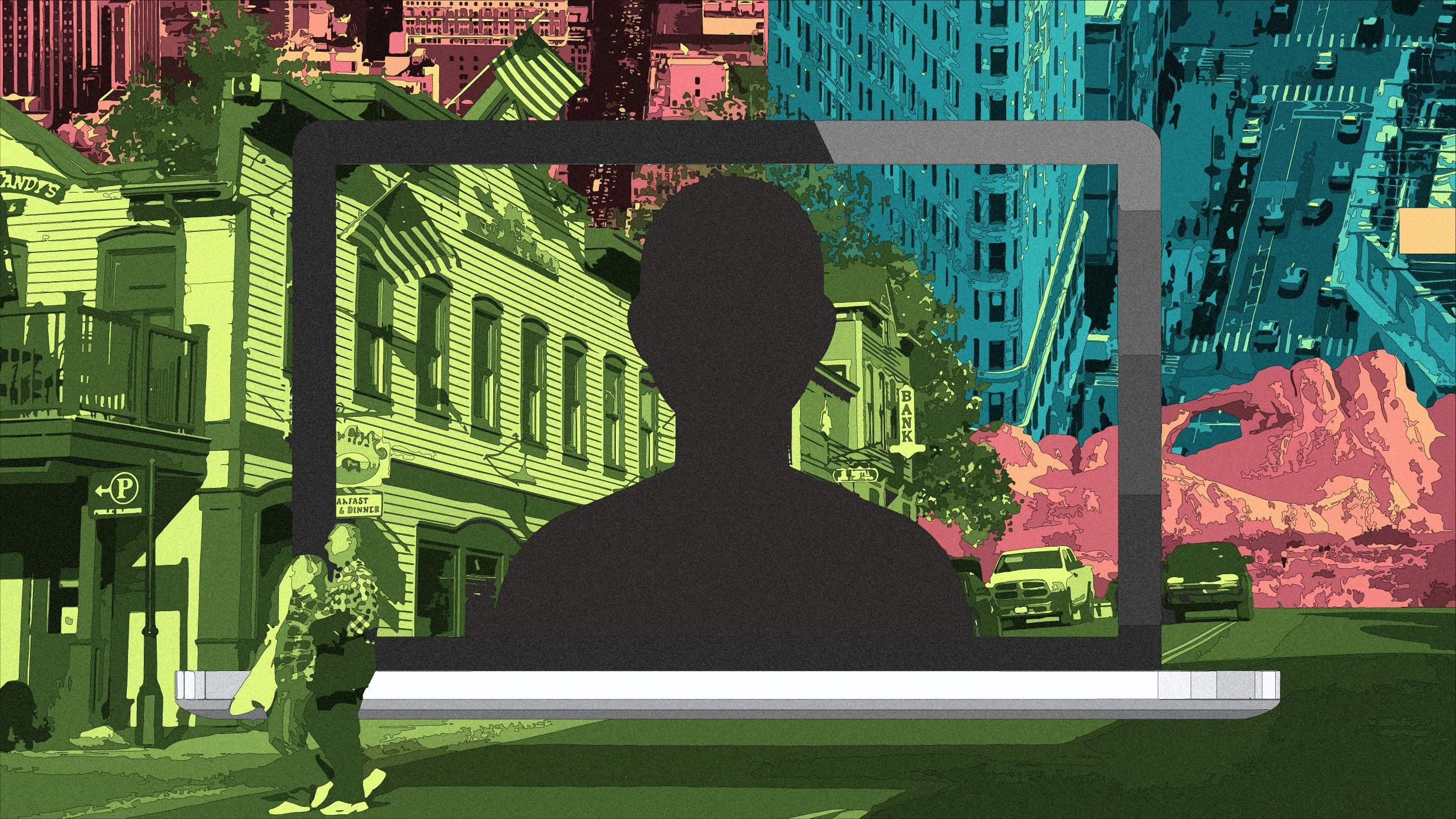
Zoomtown’s economy is very different from that of most communities. Income sources are not linked to local productivity by geography. A software developer who lives in Zoomtown may work for a company that is thousands of miles away, but they spend their money in their own town. This moves outside money around a limited area, which boosts economic activity without relying on local jobs.
Local companies profit from steady customer spending that doesn’t change much when the economy in the area goes down. But this economic protection can lead to unfairness. others who work in local service industries may not see their pay rise as quickly as others who work from home. In Zoomtown, the cost of living goes up faster than pay for regular jobs, which makes it hard to achieve social fairness.
In Zoomtowns, the way tax money comes in also changes. Property taxes generally go up when the value of real estate goes up, which gives cities and towns more money to spend. If tax systems aren’t set up to handle remote employment, income tax payments can not match the needs of services. This mismatch calls for creative tax strategies that fit the needs of Zoomtown.
The business environment in Zoomtown is worth paying attention to. Remote workers frequently have a wide range of abilities and a global point of view, which helps small businesses grow. Consulting firms, creative studios, and digital startups come about naturally. These businesses don’t rely on being close to each other like industrial clusters do. Instead, they rely on networks, which means that Zoomtown is a distributed innovation hub instead of a concentrated one.
Table 1: Economic Differences Between Zoomtown and Other Towns
| Aspect | Zoomtown | Traditional Town |
|---|---|---|
| Primary Income Source | Remote digital employment | Local industries |
| Economic Stability | Diversified external income | Region-dependent |
| Business Growth | Service and digital focused | Manufacturing or retail |
| Tax Structure Pressure | High property value impact | Employment-based taxes |
| Workforce Mobility | Extremely high | Moderate to low |
Urban Design and Housing Patterns in Zoomtown
Housing markets are one of the more obvious parts of Zoomtown’s growth that have changed. Demand rises quickly as people who work from home look for residences that make it easy to balance work and life. Dedicated office space, high-speed internet, and adaptable design become more important. This change affects how buildings are designed and built in Zoomtown areas.
One of the hardest problems in Zoomtown is making housing affordable. Long-time residents may have to pay more in rent and property taxes, which could force them to move. Cities that don’t have inclusive housing policies may have a lack of diversity in their populations, which hurts social diversity. Balanced growth plans are necessary to keep Zoomtown open to a wide range of people.
In Zoomtown, urban planning frequently prioritizes mixed-use areas that make daily life easier without requiring long trips. Walkability, parks, and community centers become more important. Zoomtown expansion can be tight and planned, unlike ordinary urban sprawl. The idea is to fit work, play, and community engagement into a space that is easy to manage.
Transportation patterns change too. Less commuting means less traffic, but more local travel for fun and socializing means that transit systems need to be modernized. Planners in Zoomtown need to think about mobility in a way that goes beyond the office commute model. They should focus on making things easier to get there instead of faster.
The Cultural Identity and Social Fabric of Zoomtown
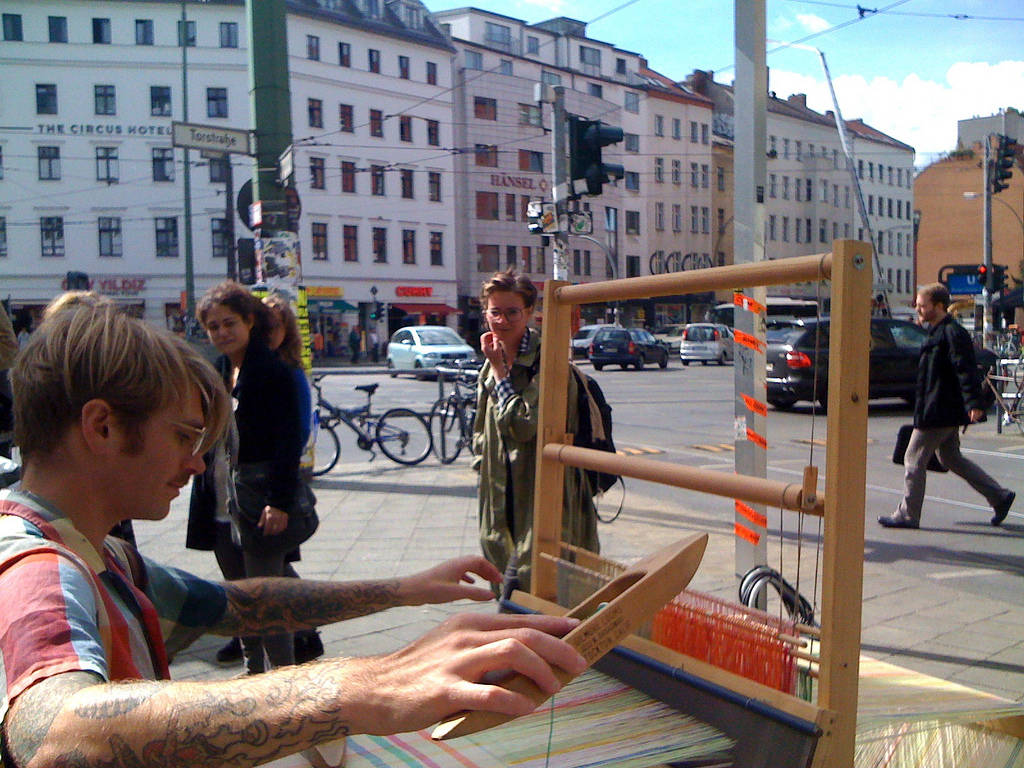
Zoomtown has a multilayer social system that lets people have both local and global identities. This dichotomy has an effect on how people express themselves culturally, get involved in their communities, and participate in civic life. Many remote workers have flexible schedules, which lets them get more involved in local organizations, volunteer work, and creative projects.
But cultural assimilation doesn’t happen on its own. Differences in income, way of life, and expectations might make it hard to see where others are coming from. Successful Zoomtowns encourage people to engage by having shared places, events, and government that includes everyone. Zoomtown becomes a mix instead of a takeover when people respect and adapt local customs instead of replacing them.
The schools in Zoomtown have to deal with problems that are different from those in other places. Families that move around a lot generally want good schools, but the fact that they are used to learning from home changes what they anticipate. Schools become important parts of the community, bringing people of all ages and cultures together. Investing in education is a key part of long-term growth for Zoomtown.
Another societal issue is access to health care. The rise of the population puts a pressure on current facilities, although remote workers may expect better service. Aligning healthcare expansion with changes in the population is good for the community and will help it stay strong in the long run.
Table 2: Changes in Lifestyle Seen in Zoomtown Communities
| Dimension | Before Zoomtown Growth | After Zoomtown Growth |
|---|---|---|
| Work Routine | Fixed schedules | Flexible, remote-based |
| Community Interaction | Limited by time | Increased participation |
| Housing Preferences | Utility focused | Comfort and workspace |
| Cultural Exposure | Localized | Globally influenced |
| Daily Mobility | Commute centered | Activity centered |
The long-term Future and Sustainability of Zoomtown
Zoomtown’s future rests on being able to change rather than grow. As remote work policies change, Zoomtown needs to be more than just cheap. Long-term success will depend on the quality of life, how open the government is, and how well people take care of the environment. Towns that build strong infrastructure and make policies that include everyone are more likely to do well.
Being dependent on technology may be both a strength and a weakness. It’s important to have reliable connectivity, but too much reliance on digital systems means that strong cybersecurity and backup plans are needed. Zoomtown resilience means being ready for problems without giving up the benefits of technology.
Planning for Zoomtown needs to include environmental sustainability. To protect natural landscapes while allowing for growth, proper zoning and community involvement are needed. Using green building methods and using renewable energy sources helps both the environment and the economy.
Zoomtown isn’t just a fad; it’s a permanent change in how people think about where they live and work. It shows a new way of thinking about settlement patterns that are based on choice instead of need. As this model grows, Zoomtown will keep affecting how regions plan, how people interact, and how economies work all throughout the world.
Conclusion: Why Zoomtown is a New Story About Cities
Zoomtown goes against the usual ideas of what progress and development mean. It shows that economic health doesn’t need a lot of workers in one place. Instead, it does well when people are connected, can change, and have their own preferences. Communities can take advantage of Zoomtown’s benefits while lowering its hazards by learning more about how it grows.
Zoomtown is where technology, leisure, and local identity come together. For it to work, inhabitants, lawmakers, and planners must all work together and understand that digital freedom must go hand in hand with social responsibility. When handled well, Zoomtown can be more than just a place to live; it can also be a blueprint for how people will live in the future.
Zoomtown’s idea will keep changing as work culture and social values alter more broadly. The tale is still being written, and the choices we make now will affect how communities work tomorrow.
Read More:- Armstrong Cable Explained: Technology, History, and Modern Use
